
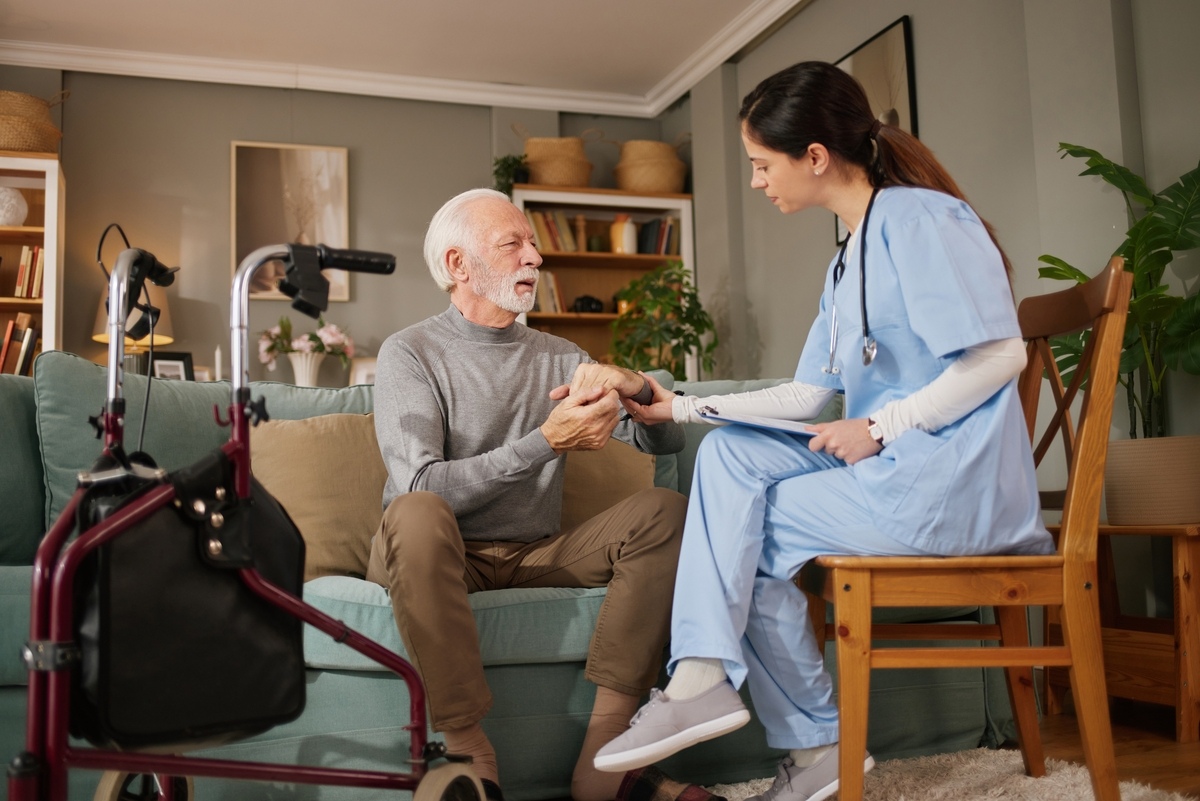
What Does a Certified Nurse Assistant Do During a Typical Shift?
What Does a Certified Nurse Assistant Do During a Typical Shift?
If you are considering a career in healthcare, you have likely asked yourself: what does a CNA do during a typical workday? Certified Nurse Assistants are one of the most essential members of any healthcare team. They are the professional patients see most often, the ones who provide hands-on support, comfort, and direct care throughout the day and night. CNAs work in nursing homes, hospitals, rehabilitation centers, and assisted living facilities, performing a wide range of tasks that keep patients safe, clean, and comfortable.
Whether you are exploring this career for the first time or preparing to enroll in a training program, understanding the daily responsibilities of this role will help you decide if it is the right path for you. This guide walks you through exactly what a typical CNA shift looks like from start to finish.
What Does a CNA Do? Core Responsibilities
When people ask what does a CNA do, the answer begins with direct patient care. CNAs spend the majority of their shift in close contact with patients, carrying out tasks that support the broader nursing and medical team. These responsibilities are both physical and emotional, requiring compassion, stamina, and strong attention to detail.
Core daily duties include:
- Assisting patients with bathing, grooming, and oral hygiene
- Helping patients dress and undress
- Feeding patients who cannot eat independently
- Repositioning bedridden patients to prevent pressure sores
- Assisting with mobility, including transferring patients from bed to wheelchair
- Monitoring and recording vital signs, including blood pressure, pulse, temperature, and respiration rate
- Observing and reporting changes in a patient’s physical or emotional condition to the supervising nurse
- Maintaining a clean and safe patient environment
- Providing emotional support and companionship to patients throughout the shift
According to the U.S. Bureau of Labor Statistics, nursing assistants held approximately 1.4 million jobs in the United States, reflecting how central this role is to the entire healthcare system. Demand continues to grow as the population ages and the need for long-term care expands.
A Typical CNA Shift, Hour by Hour
Most CNAs work 8 or 12-hour shifts. The structure of that time changes depending on the setting, but the general flow follows a consistent pattern.
Start of shift:
- Attend the handoff report from the outgoing nurse or CNA
- Review patient assignments and any updates on patient conditions
- Check on each assigned patient and introduce yourself
Mid-shift:
- Complete morning hygiene routines, including bathing, oral care, and grooming
- Assist patients with meals and hydration
- Help patients with mobility, therapy exercises, or repositioning as needed
- Take and record vital signs at scheduled intervals
- Respond to call lights and patient requests throughout the shift
End of shift:
- Document all care provided during the shift
- Report any changes in patient condition to the supervising nurse
- Provide a complete handoff report to the incoming CNA or nurse
According to the American Association of Colleges of Nursing, effective communication during shift handoffs is one of the most critical patient safety practices in any care setting. CNAs are a vital part of that chain, and the accuracy of their reports directly affects patient outcomes.
Where CNAs Work and How the Setting Shapes Their Day
The question of what does a CNA do can have slightly different answers depending on the work environment. While core responsibilities remain consistent, the setting shapes the daily pace and focus.
Nursing homes and long-term care facilities
CNAs here work with residents who need ongoing help with daily activities due to age, illness, or disability. The work is highly relationship-based because CNAs often care for the same residents for months or years.
- Assisting with all activities of daily living
- Monitoring residents for cognitive or behavioral changes
- Supporting social and recreational activities
Hospitals
In hospital settings, patient turnover is faster and conditions change more quickly. CNAs must be responsive and adaptable at all times.
- Preparing patients for procedures
- Assisting with post-surgical recovery care
- Supporting nursing staff during high-volume periods
Rehabilitation centers
CNAs in rehab settings work alongside physical and occupational therapists to help patients recover from surgeries, strokes, or injuries.
- Assisting patients during therapy exercises
- Encouraging patients through the recovery process
- Monitoring progress and reporting to the broader care team
Home health settings
Some CNAs provide care directly in a client’s home, offering one-on-one support to individuals who prefer to age or recover in a familiar environment. This setting requires strong independent judgment since a supervising nurse is not always on-site.
What Skills Does a CNA Need to Succeed?
Being a strong CNA requires more than technical knowledge. The role demands a specific combination of practical skills and personal qualities that you will begin developing from your first day of training.
Technical skills:
- Accurately taking and recording vital signs
- Proper patient transfer and positioning techniques
- Infection control and sanitation procedures
- Basic emergency response and first aid awareness
- Medical terminology and care documentation
Soft skills:
- Empathy and patience, especially with patients who are confused, anxious, or in pain
- Clear communication with nurses, physicians, and family members
- Physical stamina for a demanding, active shift
- Attention to detail when observing and reporting patient changes
- Reliability and professionalism in a team-based environment
According to the National Council of State Boards of Nursing, CNAs who demonstrate strong observation and communication skills are significantly more effective at identifying early warning signs of patient decline before conditions become critical.
If you want to develop these skills in a hands-on training environment, explore the Certified Nurse Assistant program at IP Training School to see what the curriculum covers and how quickly you can get certified.
CNA vs. Other Entry-Level Healthcare Roles
Many people considering this career also weigh it against similar entry-level roles. Here is a quick comparison:
| Role | Primary Focus | Works Under Nurse Supervision? |
|---|---|---|
| CNA | Direct patient care, ADLs, vital signs | Yes |
| HHA (Home Health Aide) | Personal care in home settings | Varies |
| PCA (Personal Care Aide) | Non-medical personal assistance | No |
| Medical Assistant | Clinical and administrative duties | Yes |
CNAs carry more clinical responsibility than PCAs or HHAs because they work in licensed medical facilities under the direct supervision of registered nurses. If you are deciding between paths, understanding these distinctions will help you choose the program that fits your career goals.
How to Start Your CNA Career in Staten Island
Now that you have a clearer picture of what does a CNA do on a typical shift, the next question is how to get started. In New York, becoming a certified nurse assistant requires completing a state-approved training program followed by a two-part certification exam that includes a written section and a hands-on clinical skills evaluation.
Here is what the process looks like step by step:
- Enroll in a state-approved CNA training program
- Complete the required classroom instruction and hands-on clinical hours
- Register for and pass the New York State CNA certification exam
- Receive your official CNA certification
- Begin applying for positions in your preferred healthcare setting
If you are based in Staten Island, IP Training School offers CNA training in Staten Island designed to prepare you for both the state exam and the real demands of the role from day one.
For a complete breakdown of every step in the process, visit the how to become a CNA guide.
Frequently Asked Questions
A CNA has more clinical training and is authorized to work in licensed medical facilities such as hospitals and nursing homes under nurse supervision. HHAs typically provide personal care in a home setting and are not authorized to perform clinical tasks like recording vital signs in a medical facility. The CNA credential opens significantly more employment settings.
Yes. CNAs are on their feet for most of their shift and regularly assist with lifting, repositioning, and transferring patients. Training programs cover proper body mechanics and patient transfer techniques specifically to reduce the risk of injury on the job.
Most CNA training programs take between 4 and 12 weeks to complete, depending on whether you attend full-time or part-time. Programs include both classroom instruction and hands-on clinical practice to prepare you for the state certification exam.
Many healthcare facilities operate 24 hours a day and require CNAs to cover evening, overnight, and weekend shifts. The availability of flexible schedules can also make the role a practical fit for people managing family or other responsibilities while building their career.
According to the U.S. Bureau of Labor Statistics, employment for nursing assistants is projected to grow steadily through 2032, driven by the aging population and increasing demand for long-term care services. New York in particular has consistent demand for certified nursing assistants across hospitals, nursing homes, and home care agencies.
Ready to Take the Next Step?
Now that you understand what does a CNA do on a daily basis, you have a clearer picture of what the role involves and whether it is the right fit for you. The work is hands-on and demanding, but it is also one of the most direct paths into the healthcare field, with real skills, real patient interaction, and real career options on the other side of certification.
If you are based in Staten Island and want to learn more about how the training works, what the program covers, and what to expect before you enroll, visit the CNA training program page at IP Training School. You can also review the how to become a CNA guide for a full breakdown of the certification process.
Disclaimer
This blog post is intended for informational purposes only and does not constitute medical advice, clinical guidance, or professional healthcare instruction. The content on this page is produced by IP Training School, a vocational training institution, and is designed to help prospective students understand the general nature of the Certified Nurse Assistant role. It is not a substitute for formal training, clinical supervision, or guidance from a licensed healthcare professional. Enrolled students receive all clinical instruction through our state-approved CNA training program under the supervision of qualified instructors. If you have questions about specific medical procedures or patient care practices, consult a licensed healthcare provider.
References
American Red Cross. (2024). Certified nurse assistant (CNA) training information. https://www.redcross.org/take-a-class/cna-training
Centers for Medicare & Medicaid Services. (2024). Nursing assistant training and competency evaluation program. https://www.cms.gov/medicare/quality/nursing-home-improvement/nurse-aide-training-and-competency-evaluation-program
Cleveland Clinic. (2024). What does a certified nursing assistant (CNA) do? https://health.clevelandclinic.org/what-is-a-certified-nursing-assistant
National Council of State Boards of Nursing. (2024). Nursing assistant roles and responsibilities. https://www.ncsbn.org/nursing-regulation/practice/cna.page
U.S. Bureau of Labor Statistics. (2024). Nursing assistants and orderlies. https://www.bls.gov/ooh/healthcare/nursing-assistants.htm
New York State Department of Health. (2024). Nurse aide registry and certification. https://www.health.ny.gov/facilities/nursing/nurse_aide_registry/