
What Does a CNA Do on a Typical Day in New York?
What Does a CNA Do on a Typical Day in New York?
- June 21, 2026
- 13 min read
Table of Contents
- 1. Why Understanding the Role Matters Before You Enroll
- 2. What Are CNA Duties in New York?
- 3. What Does a CNA Do in the Morning?
- 4. What Happens During the Middle of a CNA Shift?
- 5. How Does a CNA End Their Shift?
- 6. Where Do CNAs Work in New York City?
- 7. What Personal Qualities Help CNAs Succeed?
- 8. Frequently Asked Questions
- 9. What the Day-to-Day Reality Tells You About the Role
If you are thinking about entering the healthcare field, one of the most useful things you can do before committing to a training program is understand what the job actually looks like from day to day. CNA duties in New York span a wide range of patient care tasks across different healthcare settings, and knowing what to expect helps you make a more informed decision about whether this career path fits your goals. This guide walks through a realistic picture of what a certified nurse assistant does during a typical shift in New York.
1. Why Understanding the Role Matters Before You Enroll
Many people begin researching CNA training programs before they fully understand what the role involves beyond the basics. While most people know that CNAs work with patients, the specific responsibilities, the pace of the work, and the emotional demands of the job are not always immediately obvious from the outside.
Having a clear picture of what the role requires before you begin training helps you prepare more effectively and set realistic expectations for your first clinical rotation. It also helps you evaluate whether the environments where CNAs typically work align with the type of work you want to do long term.
According to the U.S. Bureau of Labor Statistics, nursing assistants provide basic care and help patients with activities of daily living. They work as part of a healthcare team under the supervision of licensed practical nurses and registered nurses, and most are employed in nursing and residential care facilities or hospitals.
2. What Are CNA Duties in New York?
CNA duties in New York follow the same foundational structure as in other states, but the specific setting, patient population, and pace of work vary considerably depending on where a CNA is employed. In general, the role centers on direct patient care, documentation, and consistent communication with the broader nursing team.
Core responsibilities across most settings include:
- Assisting with activities of daily living. Helping patients with bathing, dressing, grooming, toileting, and eating are among the most consistent responsibilities across all CNA roles regardless of the type of facility.
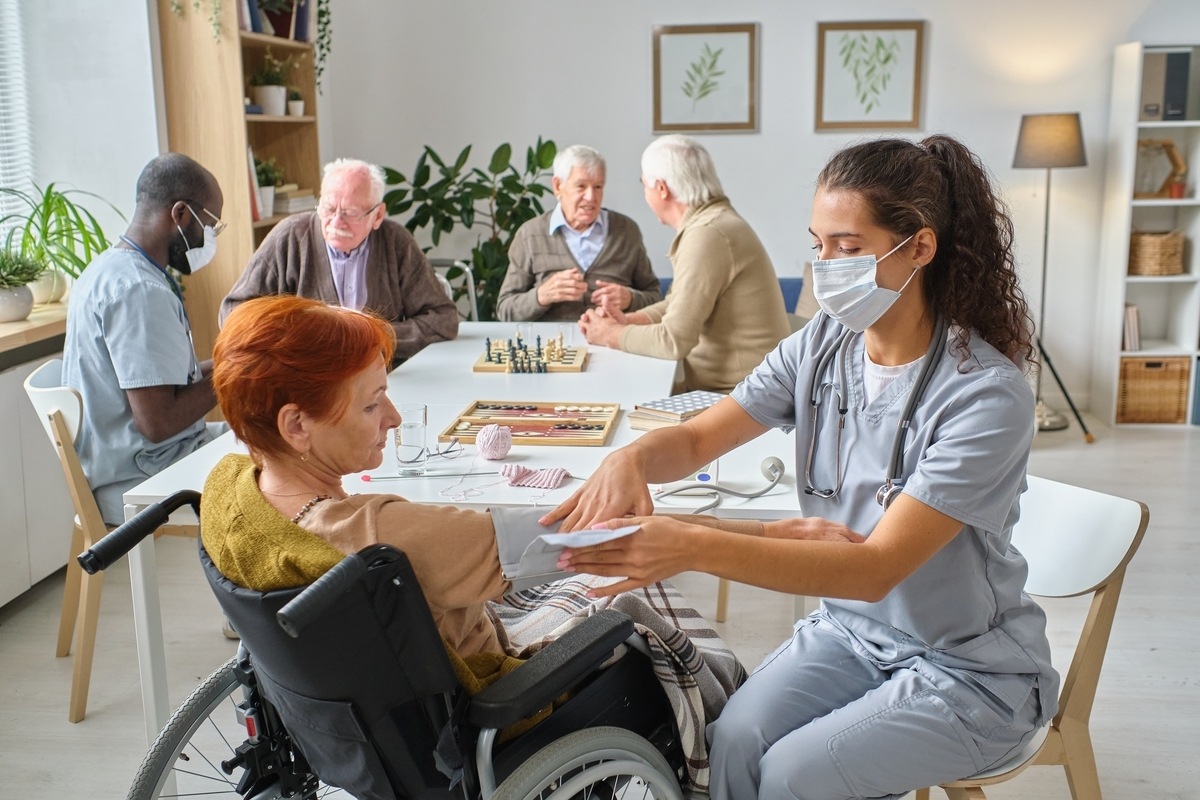
- Monitoring and recording vital signs. CNAs take and document blood pressure, pulse, temperature, and respiratory rate on a regular basis and report any changes to the supervising nurse promptly.
- Supporting patient mobility. Assisting patients with repositioning, transferring from bed to wheelchair, and ambulating safely are physical tasks that require both proper technique and attentiveness to patient comfort.
- Maintaining a clean and safe environment. CNAs are responsible for keeping patient rooms orderly, changing bed linens, and ensuring the immediate environment meets safety and hygiene standards.
- Documenting patient observations. Accurate record-keeping is a core part of the role. CNAs document vital signs, intake and output measurements, patient behavior, and any changes in condition using the facility’s documentation system.
- Communicating with the nursing team. CNAs work under direct supervision and are expected to report observations clearly and promptly to the licensed nurse responsible for each patient’s care plan.
According to the New York State Education Department, nurse aide programs in New York prepare students to work safely in long-term care settings under the supervision of licensed healthcare providers. The duties of a nurse aide vary depending on resident needs and individualized nursing plans of care.
3. What Does a CNA Do in the Morning?
The start of a CNA shift in New York typically begins with a handoff report from the outgoing staff. This briefing covers the current status of each patient, any changes that occurred during the previous shift, and specific tasks or observations to prioritize during the incoming shift.
After the handoff, the morning portion of the shift tends to be the most physically demanding. Morning routines for patients require the most direct assistance, and CNAs are often moving between multiple patients to complete care in a timely manner.
Typical morning tasks include:
- Patient wake-up and hygiene assistance. Helping patients wash, brush teeth, comb hair, and get dressed according to their individual care plans and personal preferences.
- Breakfast assistance. Setting up meal trays, assisting patients who need help eating, monitoring for swallowing difficulties, and documenting food and fluid intake accurately.
- Vital signs rounds. Taking and recording vital signs for assigned patients at the start of the shift and flagging any readings outside normal parameters to the supervising nurse.
- Bed making and room preparation. Changing linens, organizing patient belongings, and preparing the room for the day’s activities or physician visits.
The morning portion of a shift requires strong time management because multiple patients need assistance within a defined window before morning medical rounds and therapy sessions begin.
4. What Happens During the Middle of a CNA Shift?
The middle portion of a shift involves more varied tasks compared to the structured morning routine. This is typically when CNAs assist with scheduled therapies, respond to patient call lights, and support the nursing team during medication rounds or procedures.
Mid-shift responsibilities commonly include:
- Responding to call lights. CNAs are responsible for answering patient call lights promptly, addressing immediate needs such as repositioning, bathroom assistance, or comfort requests.
- Assisting with mobility and therapy preparation. Helping patients move to therapy areas, setting up equipment, and ensuring patients are positioned correctly before physical or occupational therapy sessions.
- Monitoring patient condition. Observing patients for changes in behavior, appearance, or comfort level and communicating those observations to the supervising nurse in a timely manner.
- Lunch assistance. Repeating the meal assistance process from the morning, including setup, feeding support where needed, and intake documentation.
- Specimen collection support. Depending on the facility, CNAs may assist with collecting urine or stool specimens for laboratory testing under nursing supervision.
This portion of the shift requires adaptability. Unexpected patient needs, emergencies, or changes in condition can alter planned tasks, and CNAs must be able to reprioritize quickly without losing track of their assigned responsibilities.
5. How Does a CNA End Their Shift?
The end of a CNA shift is focused on wrapping up documentation, completing any remaining patient care tasks, and preparing a clear and accurate handoff report for the incoming staff.
End-of-shift tasks typically include:
- Final vital signs round. Taking and documenting end-of-shift vital signs for assigned patients and noting any changes from earlier readings.
- Evening hygiene and comfort care. Assisting patients with washing up, changing into nightwear, and settling into a comfortable position before the evening shift takes over.
- Documentation completion. Reviewing all documentation entries for accuracy and completeness before signing off, including intake and output records and any incident notes.
- Shift handoff report. Communicating a clear, organized summary of patient status and any notable observations from the shift to the incoming CNA and nursing staff.
A thorough and accurate handoff is one of the most important responsibilities at the end of a shift. Incomplete or inaccurate information during handoff can directly affect patient safety during the next shift.
6. Where Do CNAs Work in New York City?
CNA duties in New York are carried out across a wide range of healthcare settings throughout the five boroughs and surrounding areas. The type of facility significantly affects the pace, patient population, and specific tasks involved in the role.
Common work settings for CNAs in New York City include:
- Nursing homes and long-term care facilities. These are the most common employers of CNAs. Residents in these settings often require ongoing assistance with daily activities, and CNAs typically work with the same patient population consistently over time.
- Hospitals. CNAs in hospital settings work in fast-paced environments alongside registered nurses and physicians, assisting with a higher acuity patient population and a wider range of care needs.
- Rehabilitation centers. CNAs in rehabilitation settings support patients recovering from surgery, injury, or illness, assisting with mobility exercises and daily care while patients work toward independence.
- Home care agencies. Some CNAs provide care in patients’ private homes, which requires a higher degree of independence and adaptability compared to facility-based roles.
- Adult day programs. These community-based settings serve elderly or disabled adults during daytime hours, providing social engagement, personal care, and health monitoring.
According to CNA Resources, New York City and Long Island have a very high concentration of hospitals, nursing homes, and home care agencies, making the metro area one of the most active job markets for CNAs in the entire country.
7. What Personal Qualities Help CNAs Succeed?
Beyond the technical skills learned during training, certain personal qualities consistently distinguish CNAs who thrive in the role from those who struggle with its demands.
Qualities that support long-term success in CNA roles include:
- Patience. Working with patients who need repeated assistance or who are experiencing pain, confusion, or frustration requires a calm and consistent demeanor throughout the shift.
- Physical stamina. CNA work is physically demanding. Lifting, transferring, and repositioning patients, combined with long hours on your feet, requires a baseline level of physical endurance.
- Attention to detail. Accurate documentation and careful observation of patient condition changes are responsibilities where small errors can have meaningful consequences.
- Clear communication. CNAs interact with patients, family members, and members of the nursing team throughout every shift. The ability to communicate clearly and professionally in all directions is a foundational skill.
- Reliability. Healthcare facilities depend on consistent staffing. CNAs who show up on time, complete their assignments thoroughly, and communicate proactively when issues arise are consistently valued by employers.
- Empathy. Many patients in CNA care settings are vulnerable, elderly, or experiencing significant health challenges. Approaching each patient interaction with genuine care and respect is what separates adequate patient care from excellent patient care.
8. Frequently Asked Questions
CNAs provide direct patient care under the supervision of licensed nurses. They assist with activities of daily living, monitor vital signs, and document observations. Registered nurses and licensed practical nurses have broader clinical responsibilities including medication administration, care planning, and patient assessment that fall outside the CNA scope of practice.
The core duties are similar across states, but New York has specific certification requirements and training standards overseen by the New York State Department of Health. CNAs in New York must complete a state-approved training program and pass the Prometric certification exam to be entered into the state nurse aide registry.
This varies significantly by setting. In nursing homes, CNAs may be assigned eight to twelve residents per shift. In hospital settings, the ratio is often lower. Staffing ratios are regulated differently depending on the type of facility and applicable New York State standards.
Yes. The role involves regular lifting, transferring, and repositioning of patients, as well as extended periods of standing and walking throughout the shift. Proper body mechanics learned during training are essential for preventing injury over time.
Yes. Many CNAs in New York work part-time or on a per diem basis while completing nursing or other allied health programs. The experience gained while working as a CNA is also a meaningful advantage when applying to nursing programs.
Candidates must complete a New York State approved nurse aide training program, then pass the Prometric competency exam, which includes both a written portion and a skills demonstration. Passing candidates are entered into the New York State nurse aide registry.
9. What the Day-to-Day Reality Tells You About the Role
Reading about CNA duties in New York on paper is one thing. Understanding what those duties feel like across an eight or twelve hour shift in a real healthcare setting is another. The physical demands are real. The emotional weight of working closely with patients who depend on you for basic daily needs is real. So is the sense of purpose that comes with providing that care consistently and competently.
Most CNAs describe the role as one where no two days are identical. Patient conditions change, staffing dynamics shift, and the needs of a unit can evolve hour by hour. What stays consistent is the structure of the work itself: showing up prepared, communicating clearly with the nursing team, documenting accurately, and prioritizing patient comfort and safety throughout the shift.
For those who are drawn to hands-on patient care and want a role with clear daily purpose, understanding what CNA duties in New York actually look like is the most honest starting point before committing to training. A step-by-step breakdown of the path from enrollment to certification can be found in the How to Become a CNA: Step-by-Step Career Guide.
To learn more about what the program covers and what certification looks like in New York, visit the Certified Nurse Assistant Classes page.
And for those in Staten Island looking for locally relevant training information, the CNA Training in Staten Island NY page provides location-specific details on the program and enrollment process.
Key Takeaways
CNA duties in New York center on direct patient care, accurate documentation, and consistent communication with the nursing team across every shift. The role is physically demanding and emotionally engaging, requiring a combination of technical skill, personal reliability, and genuine care for the patients being served.
The day-to-day work varies by setting, from long-term care facilities and hospitals to rehabilitation centers and home care environments, but the core responsibilities remain consistent. Understanding what the role looks like before beginning training is one of the most practical steps a prospective CNA can take toward making an informed and confident career decision.
Now That You Know the Role, Learn About the Training
Understanding what CNAs do every day is the foundation of a well-informed career decision. The role is hands-on, purposeful, and accessible to those who are willing to commit to the training and certification process that New York State requires.
Disclaimer: The information provided in this article is for general educational purposes only and is not intended as professional or official guidance. Program requirements, tuition costs, schedule availability, and enrollment eligibility may vary and are subject to change without notice. Readers are encouraged to contact the school directly to verify current program details before making any decisions. Individual experiences and outcomes may differ.