
Can You Become a Certified Nurse Assistant Without Healthcare Experience?
Can You Become a Certified Nurse Assistant Without Healthcare Experience?
If you are thinking about entering the healthcare field, you might be wondering whether previous medical experience is required before starting training. Many people assume healthcare jobs require years of medical background before they can even begin learning patient care.
In reality, becoming a Certified Nurse Assistant is often one of the most accessible ways to begin working in healthcare. Many training programs are designed for beginners who want to learn patient care skills step by step, even if they have never worked in a medical setting before.
If you are exploring an entry level healthcare career, it can help to understand the steps involved in starting this path. You can learn more about the process in this guide on how to become a CNA, which explains how training programs prepare students for patient care responsibilities and certification requirements.
In this article, we will walk through what this role involves, whether healthcare experience is required, and what you can expect when beginning CNA training.
What Does a Certified Nurse Assistant Do?
A nursing assistant helps patients with daily care while supporting nurses and healthcare teams in hospitals, rehabilitation centers, and long-term care facilities.
You might be wondering what responsibilities are involved in this role. Nursing assistants spend a significant amount of time assisting patients with everyday activities and ensuring they remain comfortable and safe.
Common nursing assistant duties may include:
Helping patients with bathing and personal hygiene
Assisting with safe movement and mobility
Measuring vital signs such as temperature and blood pressure
Supporting patients during meals
Observing patient condition changes
Maintaining a clean and safe care environment
These responsibilities focus on providing compassionate support while helping healthcare professionals monitor patient well-being.
Do You Need Healthcare Experience Before Starting CNA Training?
Many people assume healthcare jobs require prior medical knowledge. However, most CNA training programs are designed for beginners who are entering the healthcare field for the first time.
Training programs typically start with the fundamentals of patient care. Instead of expecting students to already understand healthcare procedures, instructors introduce important concepts gradually.
During training, students often learn:
basic patient care techniques
infection prevention procedures
communication with patients and healthcare teams
safe patient mobility support
observation and reporting skills
According to the U.S. Bureau of Labor Statistics, nursing assistants generally complete a state-approved education program and demonstrate competency in patient care before working with patients.
This structure allows individuals with no healthcare background to develop essential skills in a supportive learning environment.
What You Learn During CNA Training
CNA classes are designed to help students build both knowledge and practical caregiving skills. Training programs usually combine classroom learning with hands-on practice so students can apply what they learn.
Students often develop several important patient care skills during training.
Patient Care Fundamentals
Students learn how to assist individuals with daily activities such as hygiene support, mobility assistance, and comfort care.
Infection Prevention
Healthcare environments require strict sanitation standards. Training programs teach how to reduce infection risks and maintain safe patient environments.
Communication With Patients
Healthcare professionals must communicate clearly with patients and other caregivers. Training helps students build respectful communication habits.
Monitoring Patient Health
Students learn how to observe patient conditions and measure vital signs while working under supervision.
These patient care skills help prepare students for real healthcare environments where teamwork and patient safety are essential.
What to Expect From a Healthcare Training Program
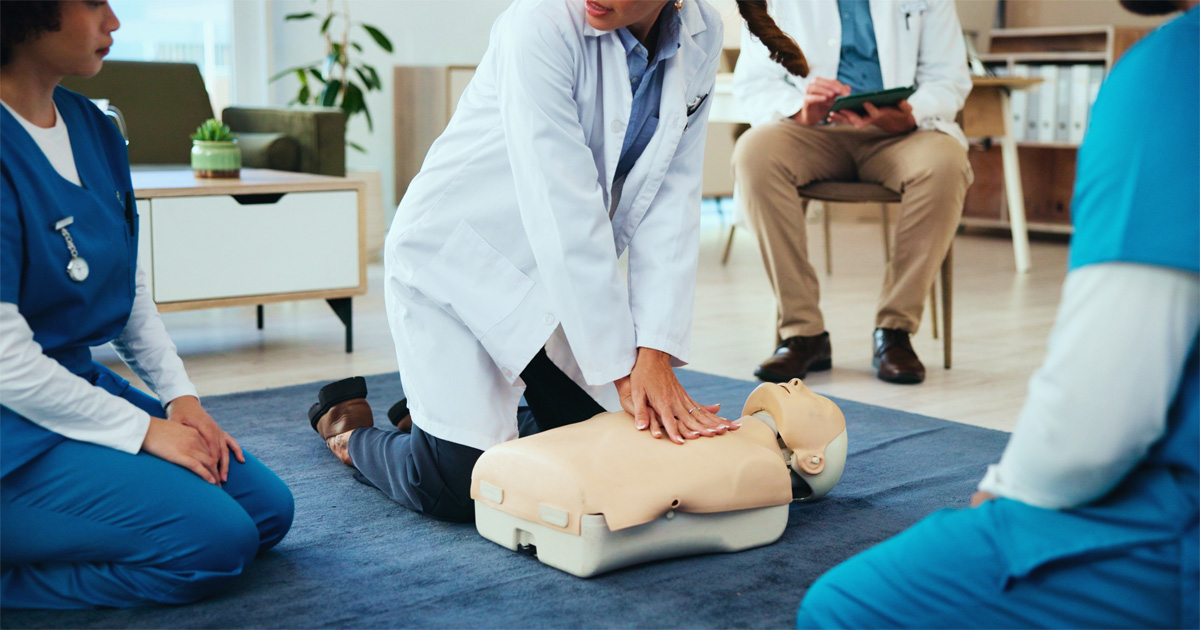
If you have never taken healthcare classes before, you may wonder how training works. Most healthcare training programs include both classroom instruction and practical learning experiences.
Classroom instruction often includes topics such as:
healthcare terminology basics
patient rights and ethics
infection prevention guidelines
safety procedures in healthcare environments
Hands-on training allows students to practice these concepts under instructor supervision. Clinical experiences provide opportunities to apply what students learn in real healthcare settings.
The National Council of State Boards of Nursing explains that competency evaluations help ensure caregivers can safely perform essential patient care responsibilities before entering healthcare workplaces.
This combination of theory and practical learning helps students develop confidence while preparing for patient care roles.
Why Many People Choose an Entry-Level Healthcare Career
Entry-level healthcare careers offer opportunities to gain experience while making a meaningful difference in people’s lives. Many individuals choose this career path because it allows them to begin working in healthcare while continuing to develop their skills.
Some advantages of this path include:
gaining hands-on patient care experience
developing strong communication and caregiving abilities
learning healthcare procedures in real environments
building a foundation for future healthcare education
For example, some individuals begin in support roles and later continue their education to pursue other healthcare professions.
Common Concerns When Starting CNA Training
It is normal to have concerns when starting a new career. Many students share similar questions before enrolling in healthcare training programs.
I have never worked in healthcare before
This is very common. Many students entering CNA classes are starting their healthcare journey for the first time.
Will training be difficult
Healthcare training requires dedication, but programs are structured to guide students step by step.
What if I make mistakes while learning
Students practice under instructor supervision, which allows them to develop skills safely while building confidence.
Understanding how training programs work can help reduce anxiety about entering healthcare.
Skills That Help You Succeed in Patient Care Roles
Although prior healthcare experience is not required, certain qualities can help individuals succeed in patient care roles.
Helpful qualities include:
empathy and compassion when supporting patients
patience when assisting individuals with daily activities
attention to detail
strong communication skills
willingness to learn new skills
These qualities support effective patient care and teamwork in healthcare environments.
Practical Tips Before Starting CNA Classes
If you are considering healthcare training, a few preparation steps may help you feel more confident before beginning.
Helpful preparation tips include:
researching healthcare training programs
learning about patient care responsibilities
practicing strong communication skills
developing time management habits
These steps can help you transition smoothly into training and learning environments.
Frequently Asked Questions
No. Many CNA classes are designed for individuals who are entering healthcare for the first time.
Program length varies depending on the schedule, but many healthcare training programs can be completed within several weeks or a few months.
Students often learn hygiene assistance, infection prevention, communication skills, and safe patient movement techniques.
Many healthcare employers require CNA certification to confirm that caregivers meet competency standards.
Yes. Some individuals start in entry-level healthcare roles and later pursue further education in nursing or other medical professions.
Learn What CNA Classes Can Teach You
Starting a healthcare career without experience may feel uncertain at first. However, many healthcare professionals began their careers in entry-level roles where training programs helped them develop patient care skills.
Healthcare training programs allow beginners to learn essential caregiving techniques, develop confidence, and gain real-world healthcare experience.
If you want to explore how structured learning prepares students for patient care roles, you can learn more about CNA classes and what students typically experience during training.
Disclaimer
This article is intended for educational purposes only. Training requirements and certification standards may vary depending on regulations and program guidelines. Individuals considering healthcare training should verify requirements with local training institutions or regulatory authorities.
References
U.S. Bureau of Labor Statistics
https://www.bls.gov/ooh/healthcare/nursing-assistants.htm
National Council of State Boards of Nursing
https://www.ncsbn.org/